Happy Brain: A Playful Font for Editorial Design
There’s a moment in editorial design when the right font can transform a project from good to great. It happens while refining a blog header or adjusting a newsletter graphic—when the visual rhythm of the text aligns with the tone of the content. For such moments, Happy Brain offers a refreshing alternative. This handwritten script font brings a sense of warmth and personality that feels both authentic and intentional.
Visual Character and Editorial Appeal
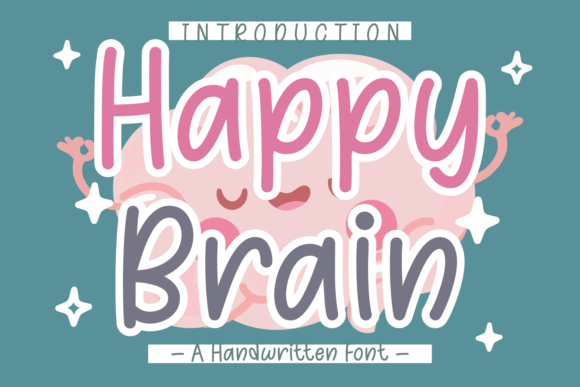
Happy Brain has a soft, flowing structure that mimics natural handwriting. Its curves are gentle, its strokes vary slightly, and its overall aesthetic suggests creativity without being overly ornate. This makes it ideal for projects where a human touch is desired, whether it’s a lifestyle blog, a recipe ebook, or a printable planner. The font doesn’t shout, but it does invite engagement, making it perfect for headers, pull quotes, and decorative accents.
Its character also lends itself well to branding. When used consistently across a publication, it can help establish a unique identity that feels approachable and inviting. Whether it’s for a digital magazine layout or a coaching workbook, Happy Brain adds a layer of personality that other fonts might lack.
Real-World Applications in Editorial Projects
Imagine redesigning a lifestyle blog’s header. The goal is to create a welcoming atmosphere that reflects the brand’s voice. Happy Brain could serve as the primary typeface for the site title, adding a friendly, personal feel that resonates with readers. It works equally well for a recipe ebook’s cover, where its playful nature complements the idea of cooking as an enjoyable, creative process.
In a wedding guide, the font could be used for section headings or pull quotes, giving each chapter a distinct yet cohesive look. For a printable planner, it adds a handcrafted quality that enhances the user experience. These applications show how Happy Brain can adapt to different formats while maintaining a consistent visual language.
Readability and Practical Considerations
While Happy Brain excels in display roles, it’s important to consider its readability. The font is best suited for short texts such as titles, subtitles, and decorative elements. Using it for long paragraphs or small captions may reduce legibility, especially on screens or in print. For body copy, pairing it with a clean serif or sans serif font ensures clarity without sacrificing style.
When designing for web or mobile, test Happy Brain at different sizes and backgrounds to ensure it remains readable. In PDFs or print materials, check how it renders at various resolutions. These considerations help maintain the font’s charm while preserving its functionality.
Font Pairing and Design Integration
Happy Brain pairs well with other fonts that offer contrast and balance. For instance, combining it with a classic serif font like Georgia or a modern sans serif like Roboto can create a dynamic typographic hierarchy. This pairing allows the handwritten font to shine in headlines while keeping the rest of the layout grounded and professional.
For editorial design, consider using Happy Brain as a highlight rather than a mainstay. It can draw attention to key points, emphasize quotes, or add visual interest to section dividers. Its versatility makes it a valuable addition to any designer’s toolkit, especially when working on projects that require a personal, expressive touch.
Final Thoughts on Happy Brain
Happy Brain is more than just a font—it’s a tool for storytelling. Its expressive nature makes it ideal for projects that benefit from a warm, approachable tone. Whether it’s for a blog header, a social media graphic, or a printable worksheet, it brings a sense of authenticity that can elevate the entire design.
As with any premium font, it’s worth exploring its styles, alternates, and ligatures to fully understand its potential. Checking multilingual support and commercial licensing is also essential before integrating it into ebooks, templates, or client projects. With thoughtful use, Happy Brain can become a signature element in a designer’s repertoire, adding both charm and clarity to editorial layouts.